
Photo: Derek White/Getty Images
When the U.S. Supreme Court handed down its landmark Louisiana v. Callais decision in late April, it looked like southern Republicans might engage in an immediate and unprecedented frenzy of judicially sanctioned partisan and racial gerrymandering. The Court’s six-justice conservative majority swept away long-standing Voting Rights Act limitations on drawing blatantly partisan congressional and state legislative maps in ways that decimated majority-Black districts and Black representation generally. Egged on by the Trump administration and frantic to mitigate likely midterm losses, GOP governors and legislators (who have trifecta control of most of the states of the former Confederacy) quickly jumped on gerrymandering opportunities. Louisiana, Alabama, and Tennessee each hastily redrew congressional maps to extinguish a preexisting majority-Black district, effective immediately. Florida used Callais as a legal justification for a major partisan gerrymander it was already planning.
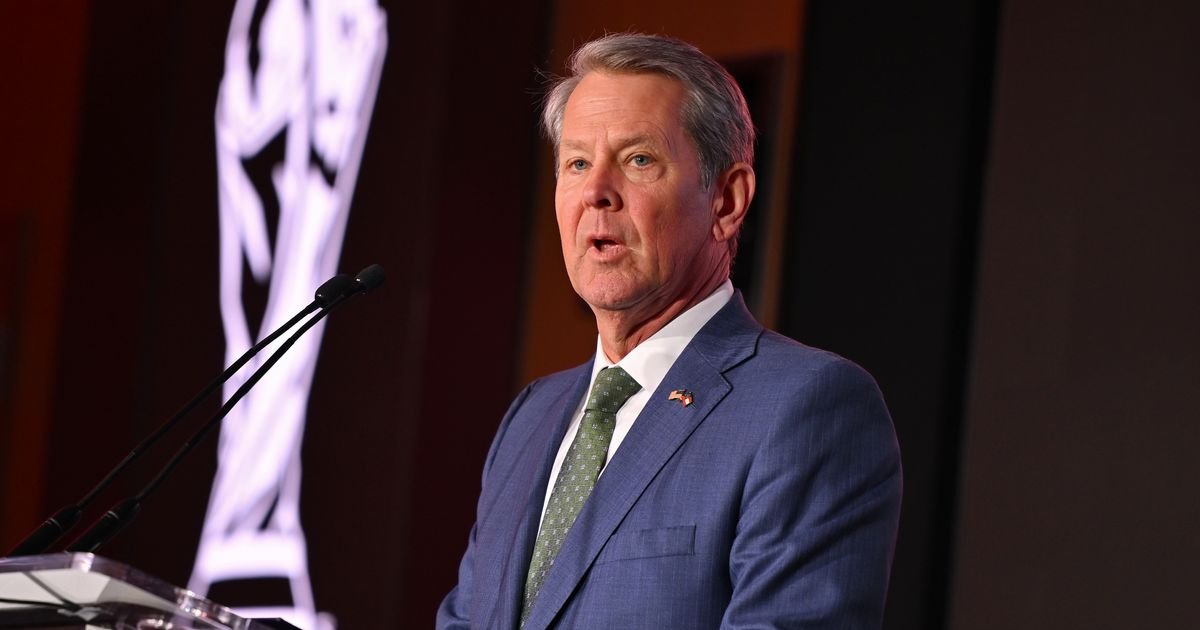
The timing of the decision, however, meant the worst didn’t happen right away to Black representation. Georgia, Mississippi, and South Carolina all decided it was too late in the election year to redraw districts for use in 2026. But all three states looked likely to go back to the till before the 2028 elections to flip some more districts from majority-Black and Democratic to mostly white and Republican. And in Georgia, the state with the largest Black congressional delegation, Republican governor Brian Kemp signaled he would add pre-2028 redistricting to the agenda of a June 17 special session that he had already called to make an essential change to the state’s ballot design. Initial reports were that Georgia Republicans would defenestrate two Black members of Congress (Sanford Bishop and, probably, Lucy McBath) and perhaps undermine others.
But then … they hit the pause button, as the Atlanta Journal-Constitution reported:
Georgia Republican leaders won’t redraw the state’s political maps during a special legislative session that starts Wednesday, retreating from a proposal that had threatened to ignite one of the state’s most explosive political fights ahead of the November election.
The decision comes after weeks of mounting pressure from Democrats, voting rights groups and even some uneasy Republicans who warned that reopening redistricting could energize Democratic voters and overshadow a pivotal stretch of the campaign season.
The (at least temporary) abandonment of the gerrymandering plan came the day after GOP runoff elections that set up competitive general elections for governor and U.S. senator. And coincidentally or not, the two biggest losers in those runoffs were Governor Brian Kemp (whose endorsed candidates for both offices lost) and the presiding officer of the Senate, Lieutenant Governor Burt Jones (who lost his own bid to succeed Kemp). Kemp and Jones may not have been in the mood for a big and controversial power move right after having their butts handed to them by voters. It’s hard to say. The original impetus behind drawing 2028 maps in 2026 was the fear that Democrat Keisha Lance Bottoms might win the governorship in November, bust up the GOP trifecta, and thwart any gerrymandering plans. Now Bottoms is facing billionaire Rick Jackson in the general election. If he wins, GOP rule is safe for at least two years (Democrats aren’t currently in striking distance of control of the legislature). And even if Bottoms wins, Republicans could call a lame-duck session late this year and ram through a gerrymander before the new governor is sworn in.
But no matter what happens down the road, it appears Georgia Republicans currently fear the voters they’d love to (at least partially) disenfranchise. So, perhaps, did the Republicans of Alabama and Louisiana, who could have chosen to extinguish two majority-Black districts instead of just one. Despite the swaggering talk MAGA folk were encouraging in the immediate aftermath of Callais, there is an emerging sense of realization among southern Republicans that they might overplay their hands and invite an angry-voter mobilization drive the likes of which no one has seen since the original voting-rights push of the 1960s. For all the terrible news inaugurated by Callais, this is an encouraging development for voting-rights advocates and those they defend.