
SCIENCE
-
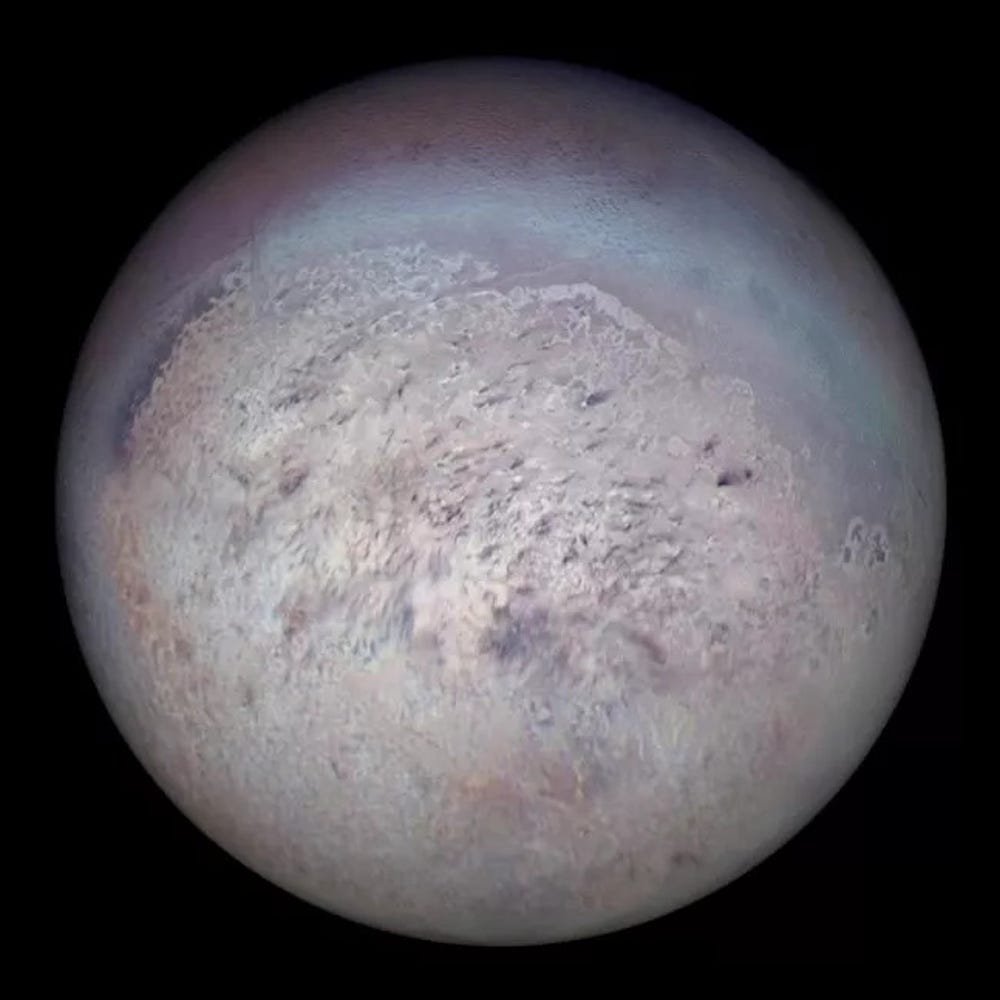
Starts With A Bang podcast #129 — Triton and the outer solar system
Triton is Neptune’s largest moon today, but it was once the undisputed king of the Kuiper belt. Here’s why the…
Read More » -
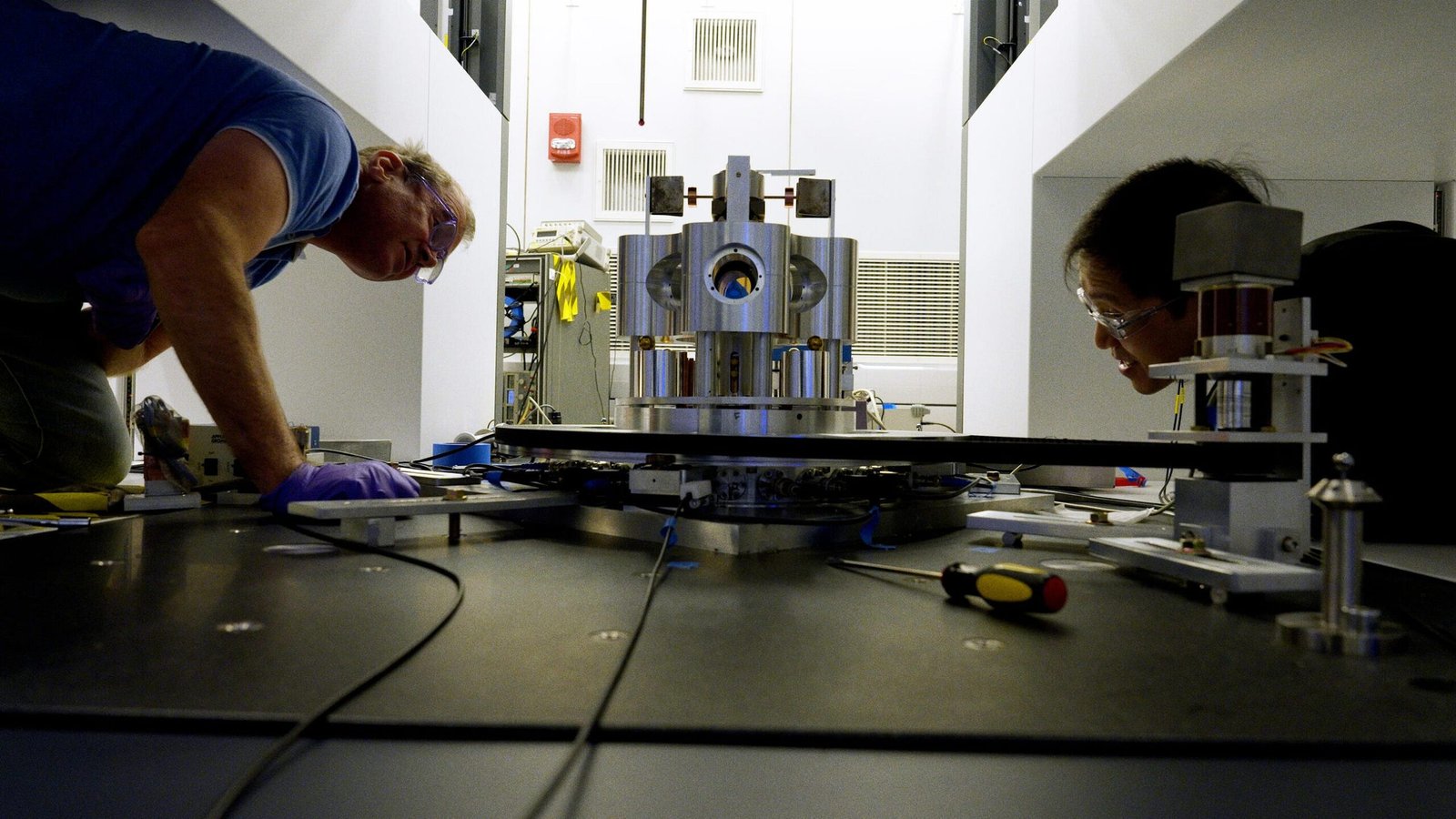
A new experiment deepens the physics mystery over “big G”
Newton’s gravitational constant, G, is still known to just 3 significant figures in 2026. New measurements merely highlight our… Continue…
Read More » -
Ask Ethan: How can ultra-distant galaxies move so fast?
It takes incredible energies to accelerate masses near the speed of light. So how do the farthest galaxies speed away…
Read More » -

The science case for why Pluto still isn’t a planet
In 2006, Pluto was controversially demoted to “dwarf planet” by the IAU. Unless you ignore most of astrophysics, it won’t…
Read More » -
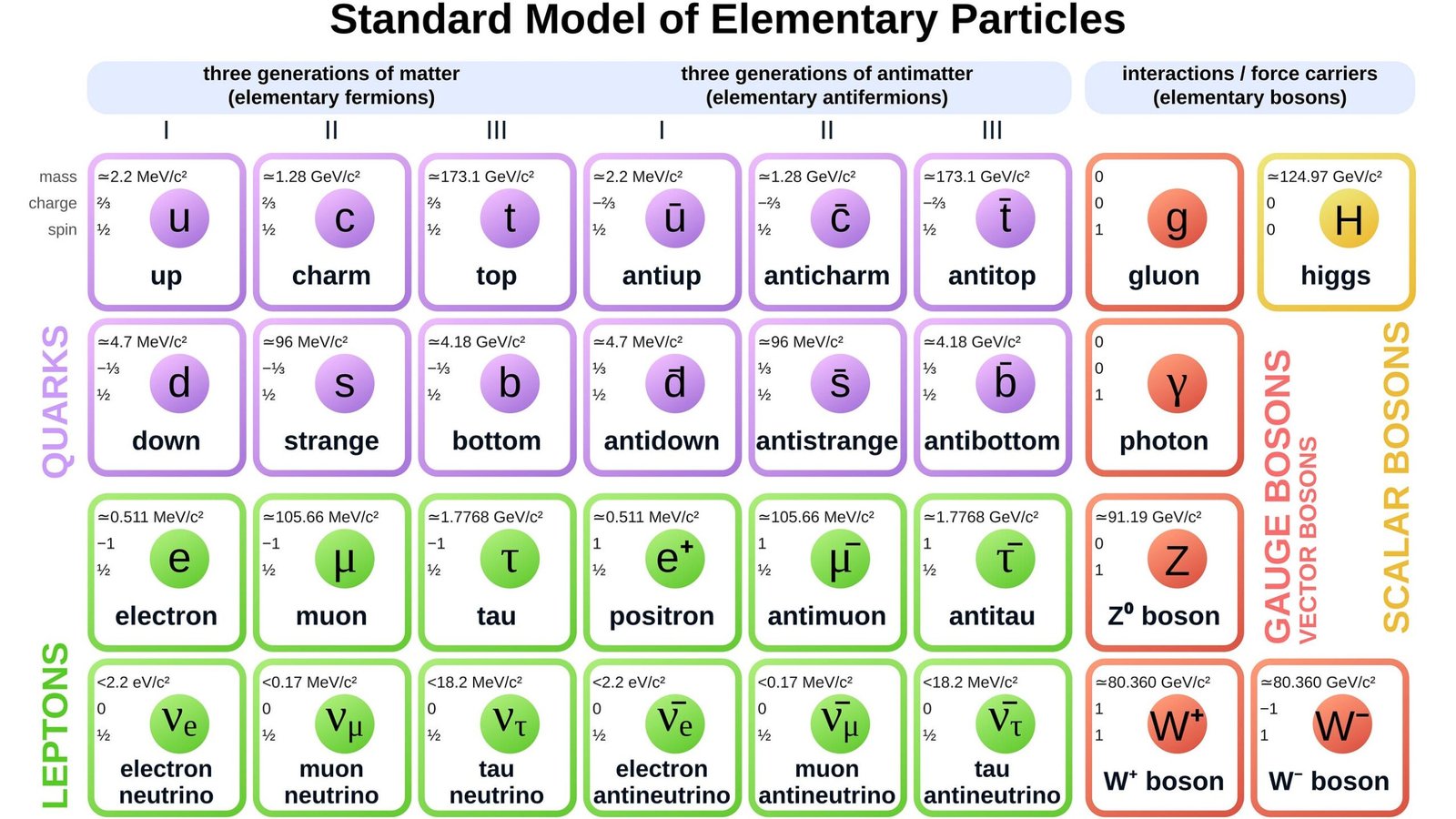
The particles in the early Universe painted a different picture
Today, we have the Standard Model of particles with four fundamental forces governing them. But things weren’t always the way…
Read More » -
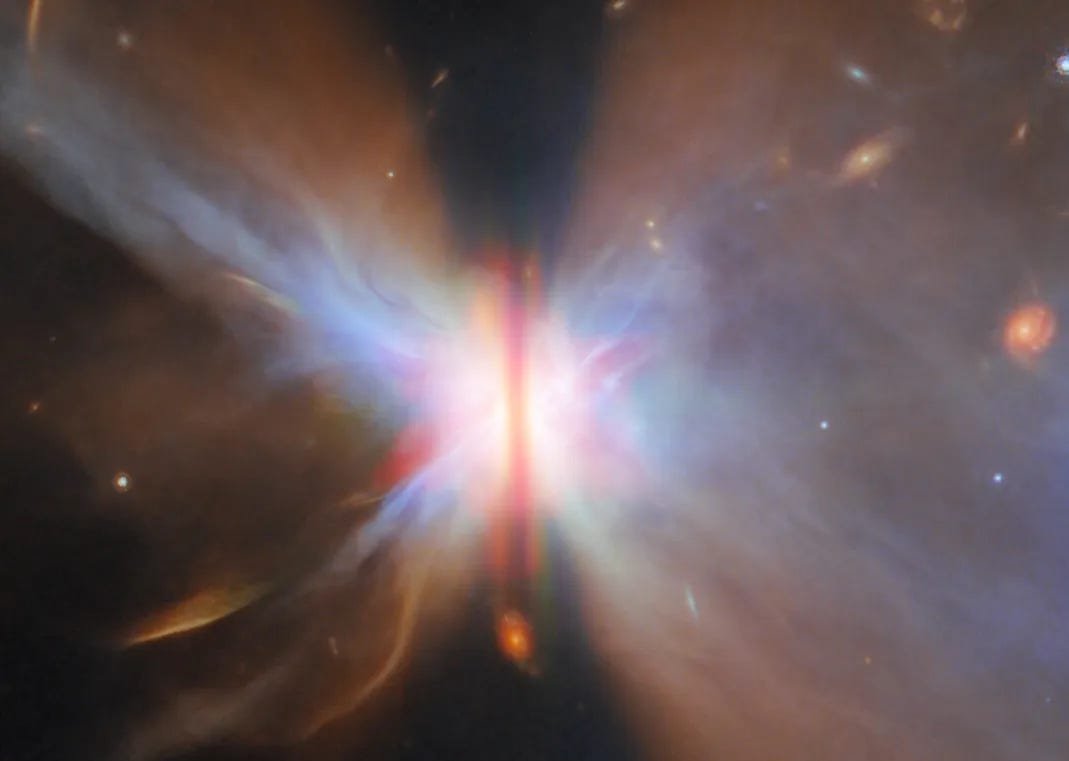
Ask Ethan: What’s the biggest misconception in astronomy?
Many facts are well-known to professionals, but are unappreciated or even rejected outright by the public. “How stars work” takes…
Read More » -
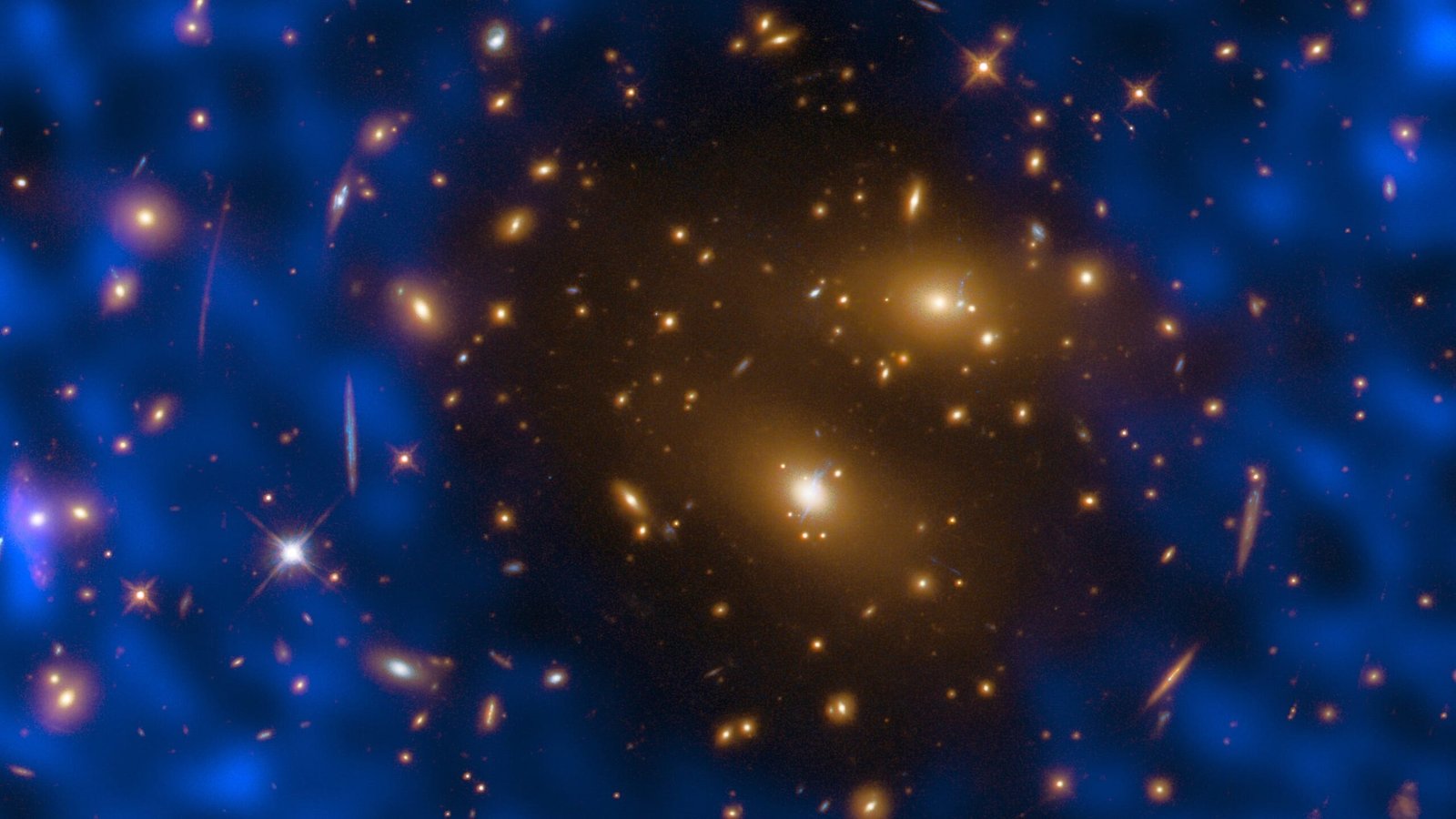
Dark matter passes a new cosmic test, while MOND fails
On cosmic scales, only dark matter (or something equivalent) gives us the Universe we observe. Now, the Sunyaev-Zel’dovich effect agrees.…
Read More » -
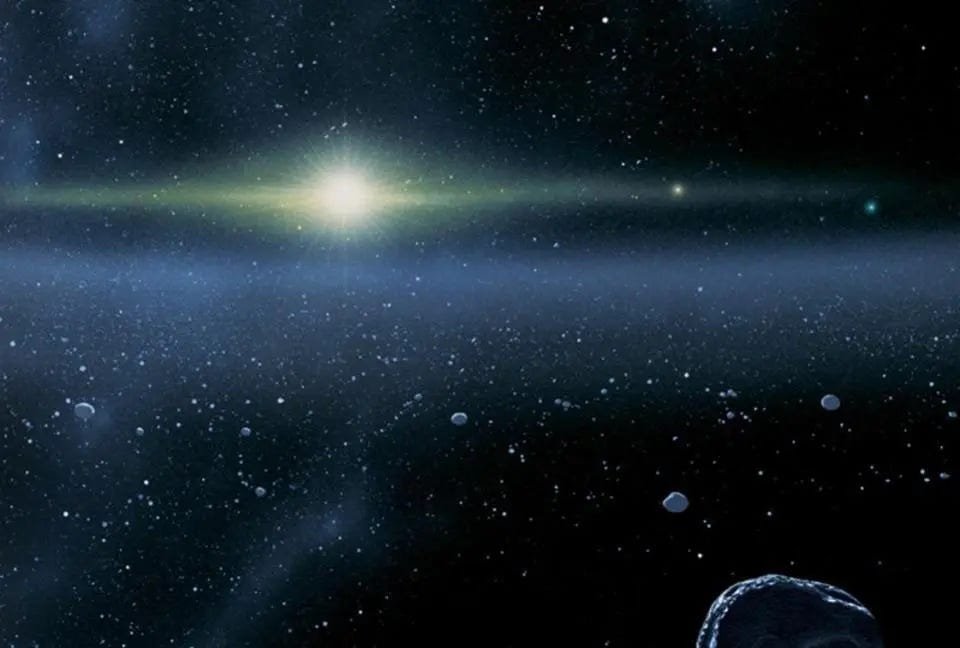
Ask Ethan: How long does it take planets to form?
Every time a new star forms, there’s an opportunity to form planets alongside and around it. How does it happen,…
Read More » -

This viral image of Saturn isn’t real; it’s AI slop
From 2004 through 2017, Saturn was imaged many times and from many angles up close by Cassini. This new viral…
Read More » -

Starts With A Bang #128 — Planet formation and proto-protoplanets
By looking at a giant, remarkable, edge-on protoplanetary system, astronomers have found a proto-protoplanet for the first time. Continue reading…
Read More »