
SCIENCE
-
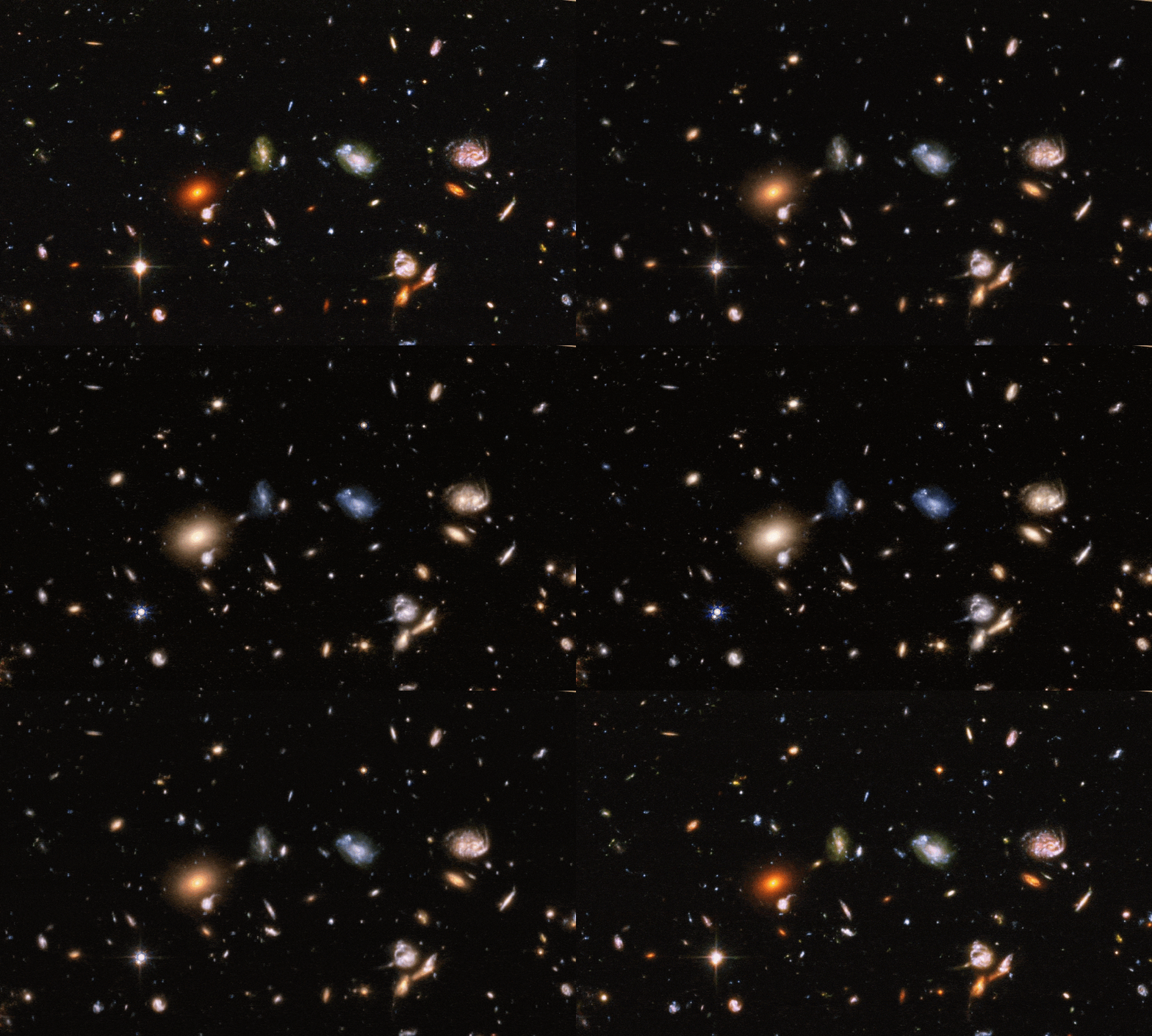
Ask Ethan: How do space telescopes stay focused?
With targets from all across the Universe, focusing a space telescope — with so many moving parts — is challenging,…
Read More » -

Rarest elements reveal planets eaten by white dwarfs
Despite their rarity, boron and beryllium can both be detected within white dwarf atmospheres. What does their presence and abundance……
Read More » -
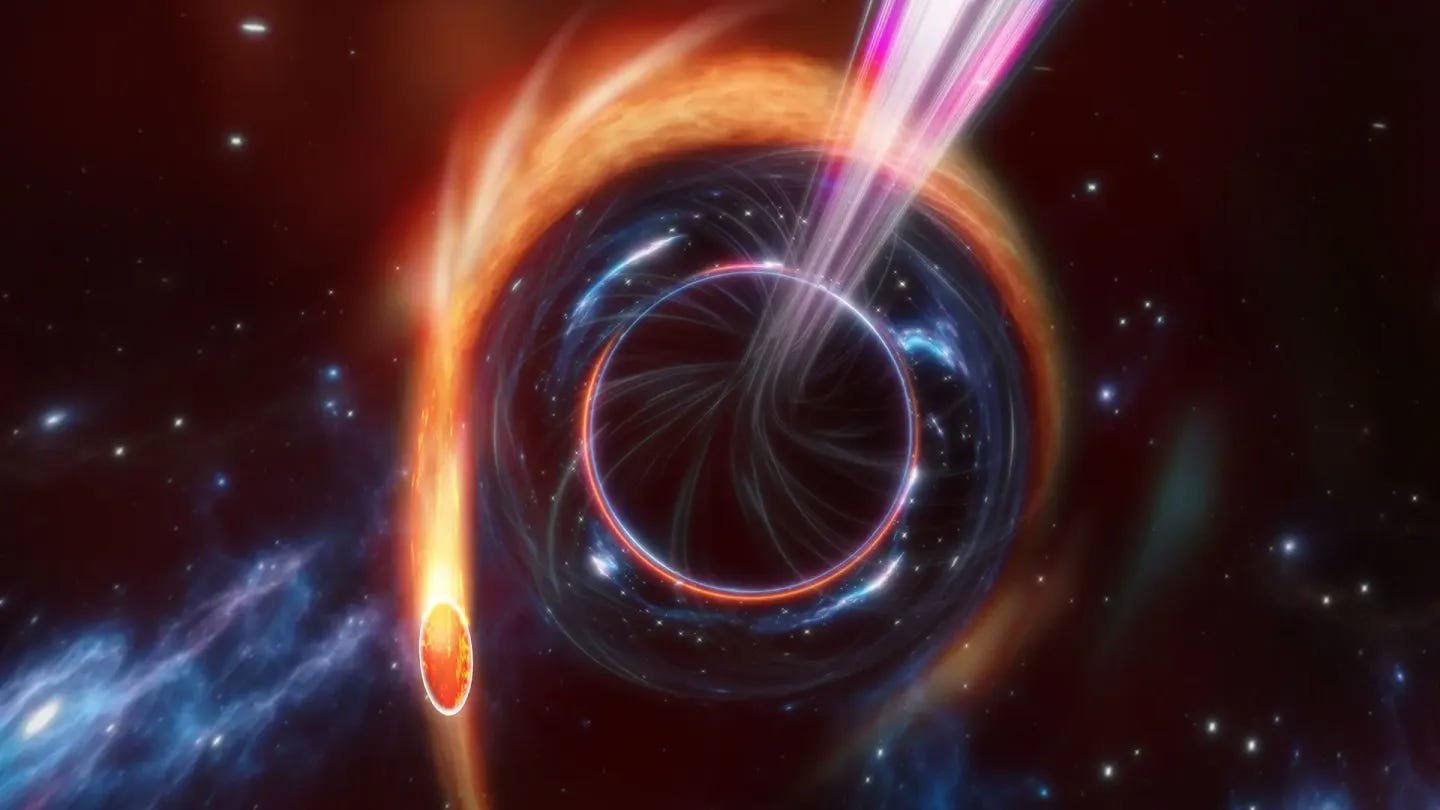
Ask Ethan: How are black holes active if nothing escapes from them?
Once you cross over to the inside of an event horizon, you can never come out again. But then, how…
Read More » -

Move over, giant meteor. Here’s what the largest comet would do to Earth
Oort cloud object Bernardinelli–Bernstein has the largest known cometary nucleus: 119 km wide. An impact with Earth would be catastrophic.…
Read More » -

From the smallest to the biggest objects in space
Vast arrays of planets, stars, black holes, galaxies, and more populate our Universe. Within each category, differences can be astounding.…
Read More » -

Ask Ethan: How did we discover substructure inside the proton?
Protons and neutrons are composite structures: made of quarks and gluons. But knowing they had substructure goes back long before…
Read More » -

Gravitational wave astronomy is now a fully mature science
In 2016, humanity announced our first successful gravitational wave detection. 10 years and 389 events later, here’s how far we’ve…
Read More » -
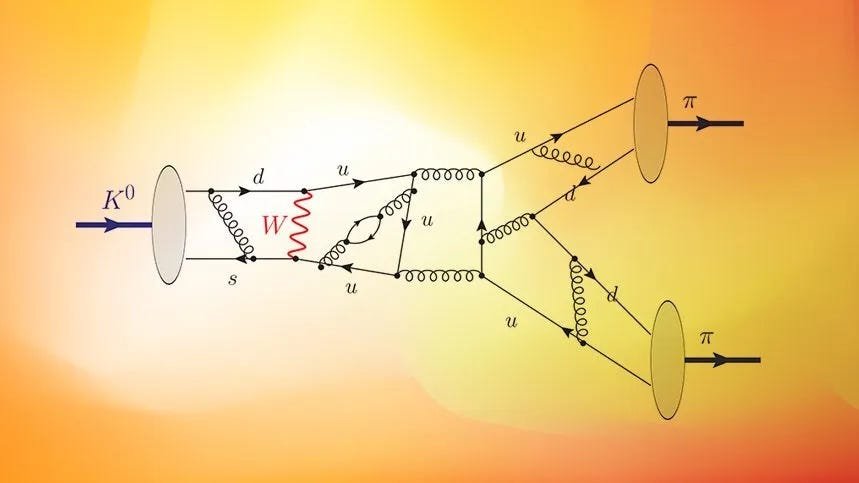
Ask Ethan: Why does our Universe require CP-violation?
Two discrete symmetries, charge conjugation and parity, must be violated together for our Universe to exist. We haven’t found enough…
Read More » -
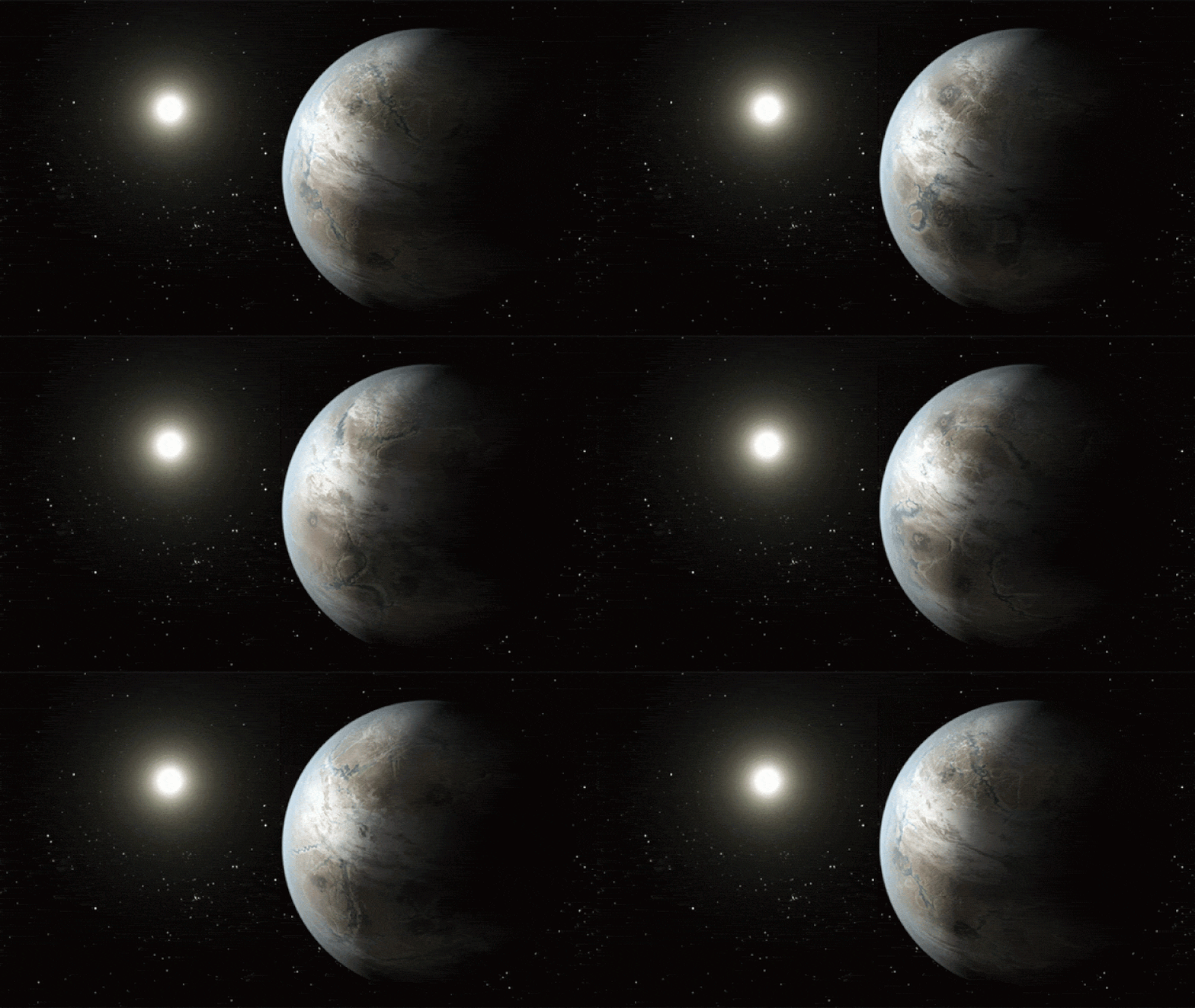
Science’s three big hopes for finding alien life
Despite all that we’ve discovered, Earth remains the only planet definitively known to possess life. Here’s how to find a…
Read More » -

Ask Ethan: What do surveys of physicists actually reveal?
At and beyond the current frontiers of knowledge, many physicists have strongly held opinions. Can surveys point the way to…
Read More »