Posted on: April 10, 2026, 09:29h.
Last updated on: April 10, 2026, 09:55h.

- Virginia Gov. Spanberger has vetoed the Fairfax County casino bill
- The local government in the Northern Virginia county never asked for casino privileges
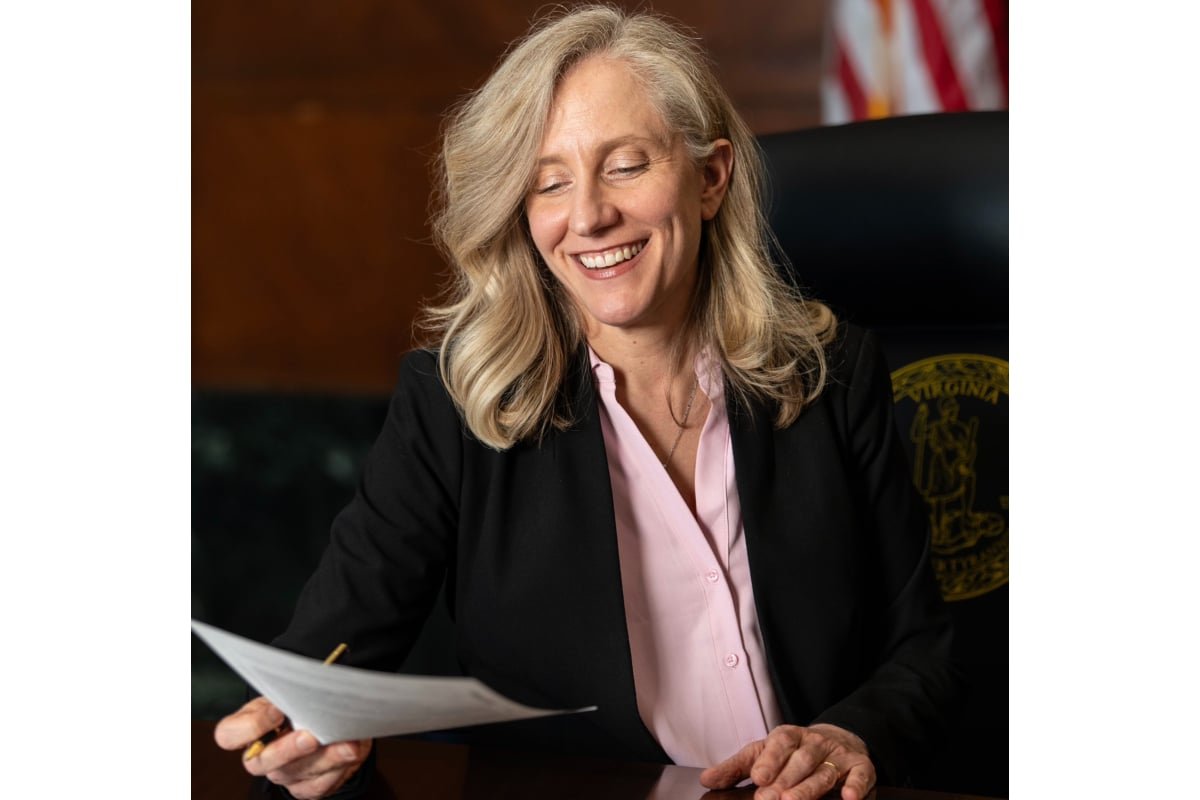
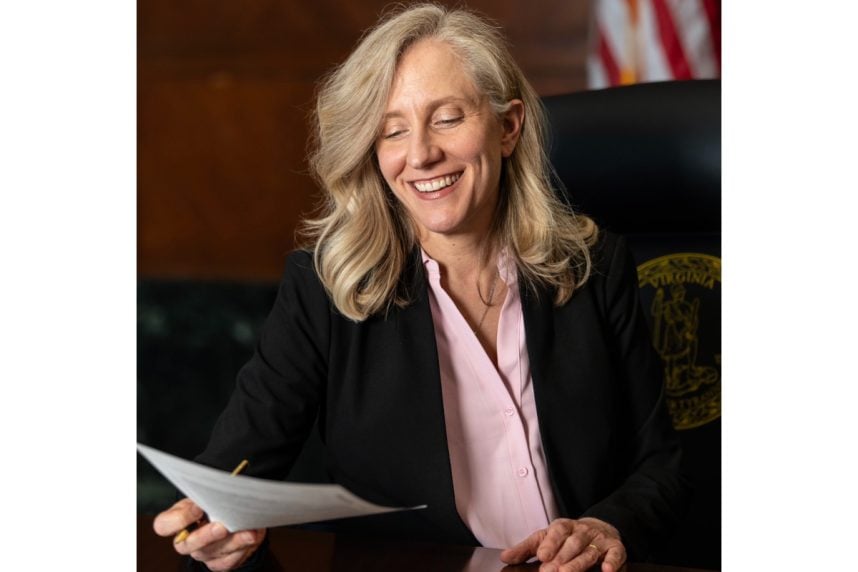
On Thursday, April 9, Virginia Gov. Abigail Spanberger (D) vetoed legislation that sought to allow a casino resort in Fairfax County, specifically, a former auto dealership in Tysons along the Leesburg Pike next to the Spring Hill Metro Station.
Senate Majority Leader Scott Surovell (D-Fairfax), a powerful lawmaker in Richmond who represents the affluent northern part of the state, used his political clout to convince the General Assembly to back his Senate Bill 756.
Surovell argued that Fairfax County needs new tax revenue to maintain the region’s high quality of life and strong public school system. The Senate Majority Leader brought colleagues aboard by additionally claiming that a casino in Northern Virginia would generate considerable tax revenue for the state.
Surovell dealt largely behind closed doors with regional real estate developer Comstock Companies in forming his Fairfax casino bill.
Comstock entities control the vacant property situated next to the Adaire residential high-rise, which was singled out by SB756 as the lone location for where a casino could be built.
Why Spanberger Vetoed
In 2020, Virginia lawmakers passed legislation that allowed the city governments of Bristol, Danville, Norfolk, Portsmouth, and Richmond to field casino bids and present the projects for authorization through local ballot referendums.
Each city had previously expressed interest in using a casino development to spur economic activity.
After Richmond voters twice voted down a casino, Petersburg raised its hand and the General Assembly agreed to relocate the fifth gaming concession. Petersburg voters subsequently signed off on their casino in November 2024.
Unlike the handful of approved casino locales, the local government in Fairfax never voiced support or interest for a gaming resort. In fact, the Fairfax County Board of Supervisors outright opposed Surovell’s crusade.
Numerous homeowners’ groups and civic organizations rejected the gaming push, too. So did more than 100 former members of the nearby US Central Intelligence Agency, who raised concerns that potential gambling addictions in the local area and among employees could threaten national security.
Public polling suggested that nearly eight in 10 voters in Fairfax County would vote against any casino referendum.
While some unions lent their support to the casino, the overarching opinion was negative. Spanberger said she wouldn’t side with state lawmakers over local communities and government.
Local governing boards should lead on proposed casino development, as has happened in every locality that now has a casino,” said Spanberger. “But in Fairfax County, the Board of Supervisors has explicitly opposed this legislation, and an overwhelming majority of the General Assembly members who represent Fairfax voted against it.”
Spanberger also took issue with Surovell’s bill limiting the casino to a Comstock property.
“In no other circumstance has the General Assembly prescribed specifications for a casino’s location. This effectively precludes local input and eliminates local decisions,” the governor explained.
Spanberger has repeatedly expressed hesitation in authorizing more gambling in the commonwealth before a dedicated gaming regulatory commission is formed. Virginia has continually assigned regulatory responsibilities for new forms of gaming, from casinos and sports betting to slot-like historical horse racing, to the Virginia Lottery.
Surovell Response
Responding to the defeat, Surovell said he was “deeply disappointed” by Spanberger’s veto.
SB756 would have generated thousands of good-paying, well-benefitted private sector union construction jobs to build a world-class entertainment destination at Tysons — and thousands more permanent hospitality and entertainment jobs thereafter,” Surovell said. “These are the kinds of careers that build a middle class, with wages and benefits that let working families put down roots in Northern Virginia.”
Surovell added that the casino would have stopped many millions of dollars from flowing out of Northern Virginia each year to MGM National Harbor in nearby Maryland.
Despite this setback, Surovell pledged that his casino campaign isn’t finished.
“We will be back,” he concluded.