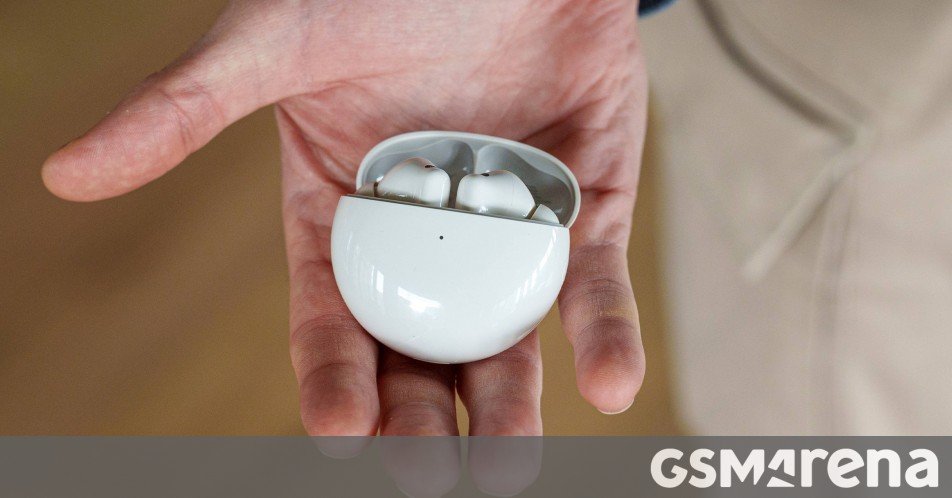
Huawei has been making great wireless earbuds for a long time now and the FreeBuds 7i are entering the scene as the budget option in the brand’s audio portfolio. While they don’t look that much different from their predecessors, the 7i offer updated active noise cancellation, which Huawei claims is 30% better than the outgoing buds while offering 50% lower latency.
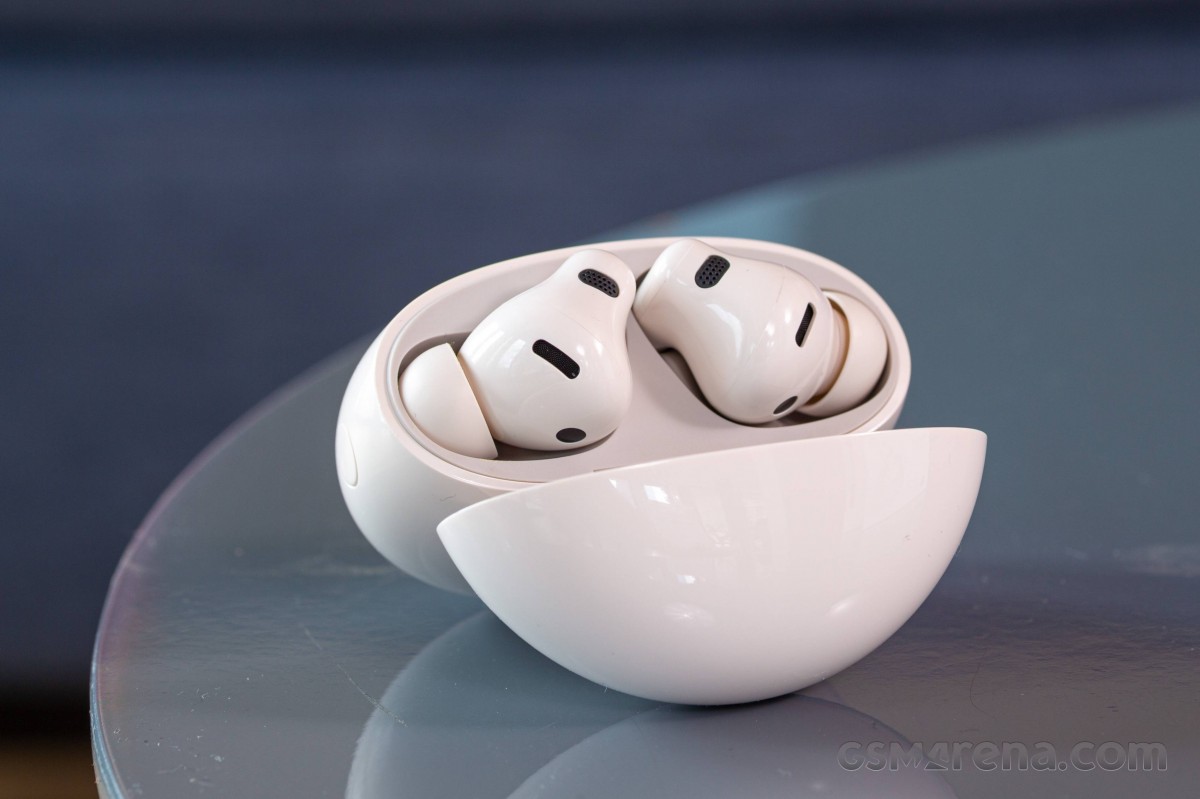
There’s a new bone conduction microphone for better voice pickup during calls and spatial audio with head tracking. Huawei also added head motion controls, which allow you to quickly answer or decline incoming calls by nodding or shaking your head, while also retaining the same battery endurance, codec support and IP54 ingress protection.
So how do the FreeBuds 7i stack up to the competition and should these be on your shortlist for TWS buds under €100/£100? We’ve been using them for about two weeks and the short answer is they are pretty great.
Are the upgrades enough to help the FreeBuds 7i stand out in the oversaturated TWS market? These are our findings.
Table of Contents:
Design
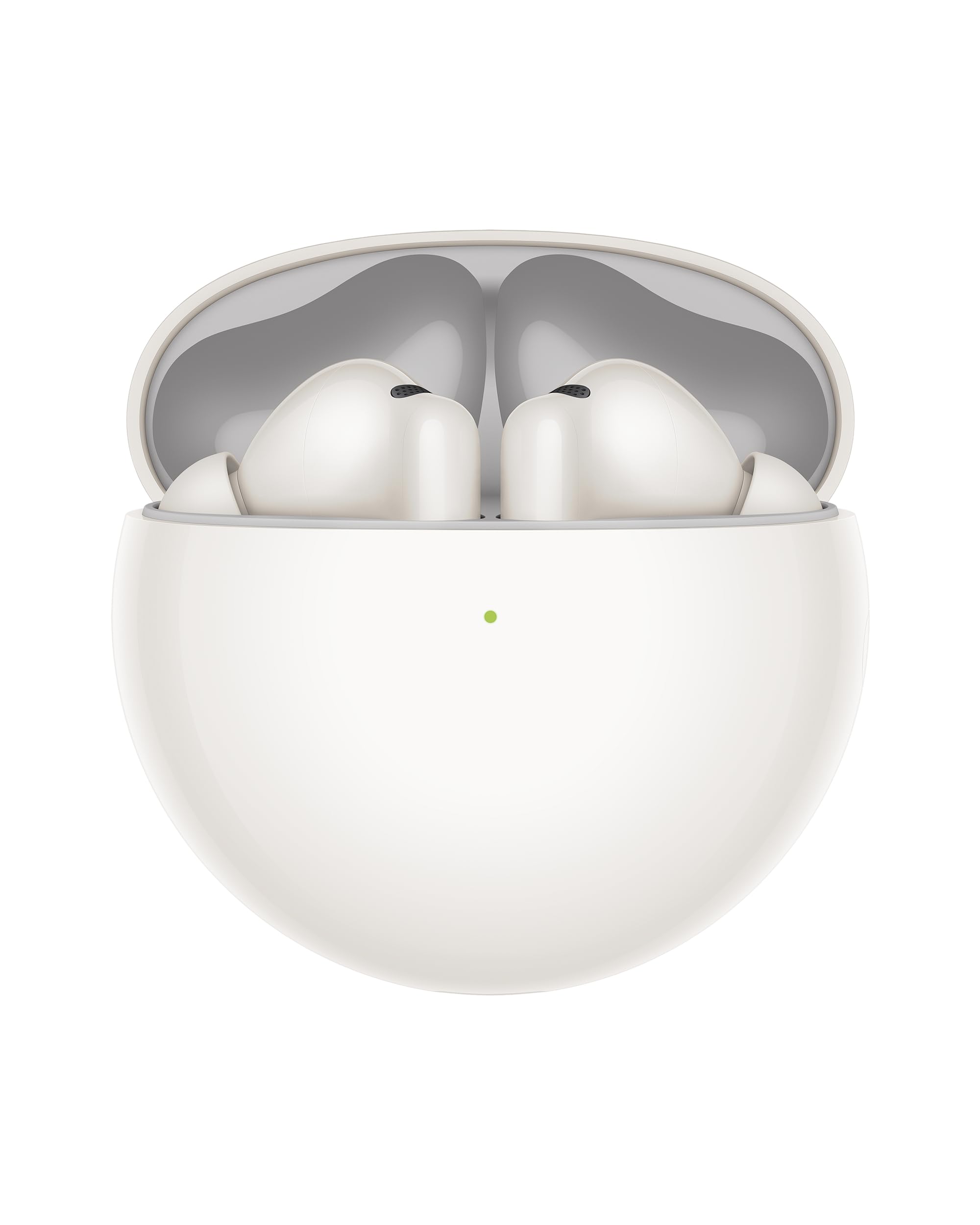
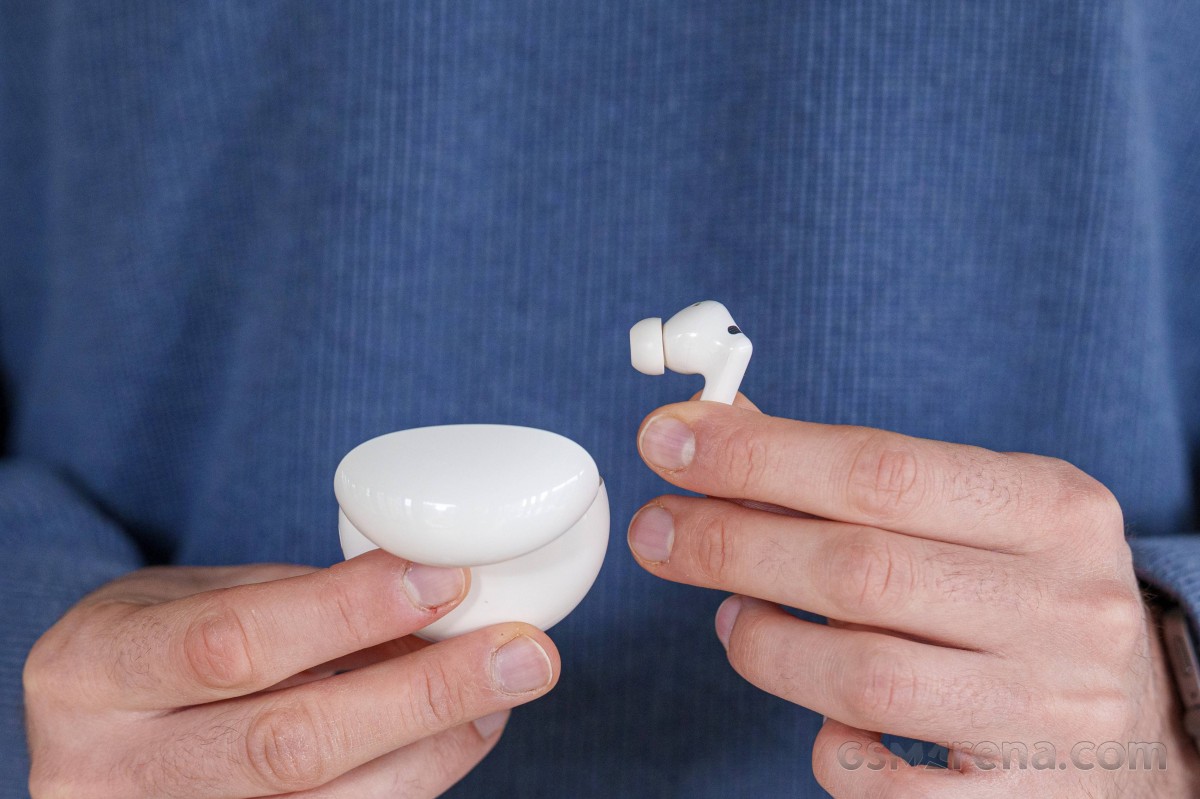
Huawei made a few tweaks to the FreeBuds 7i’s design, with the charging case now featuring a more rounded design compared to their predecessors. It’s perfectly sculpted and kind of looks like a dental floss kit. It’s also compact enough to fit in tight spaces like the coin pocket on your jeans, which is always a plus.
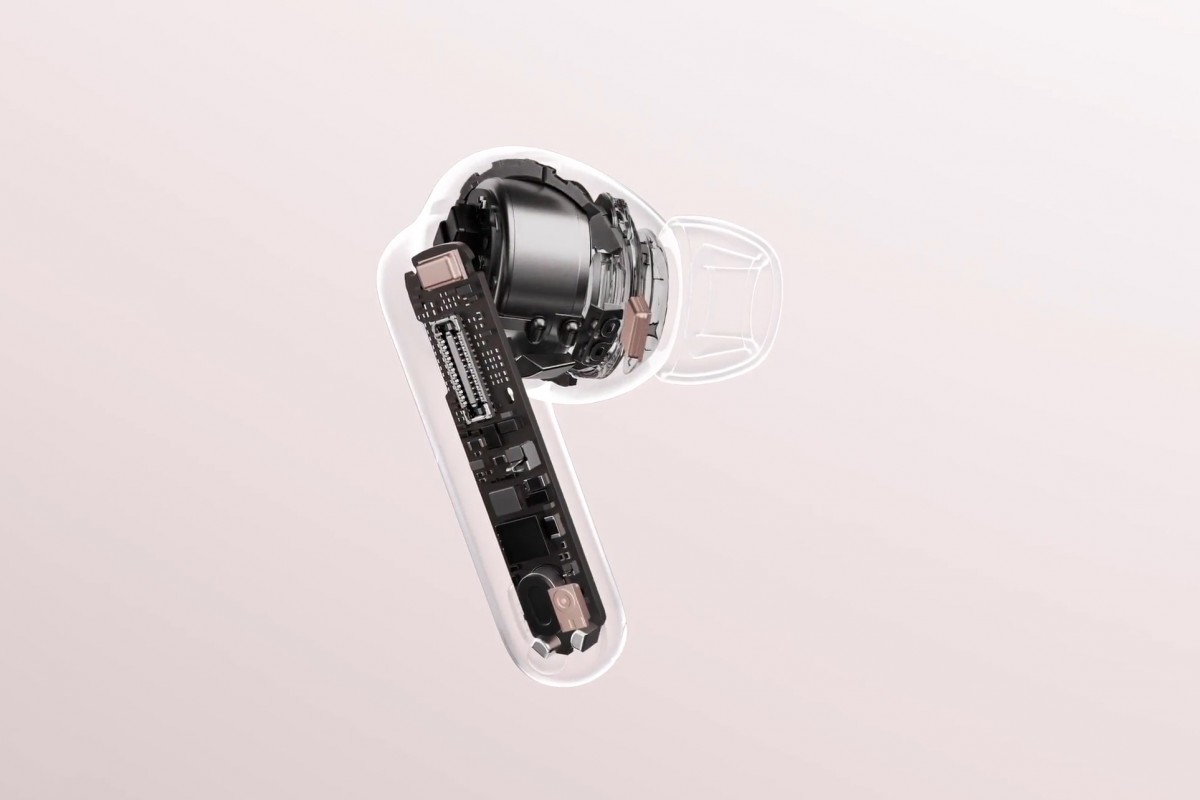
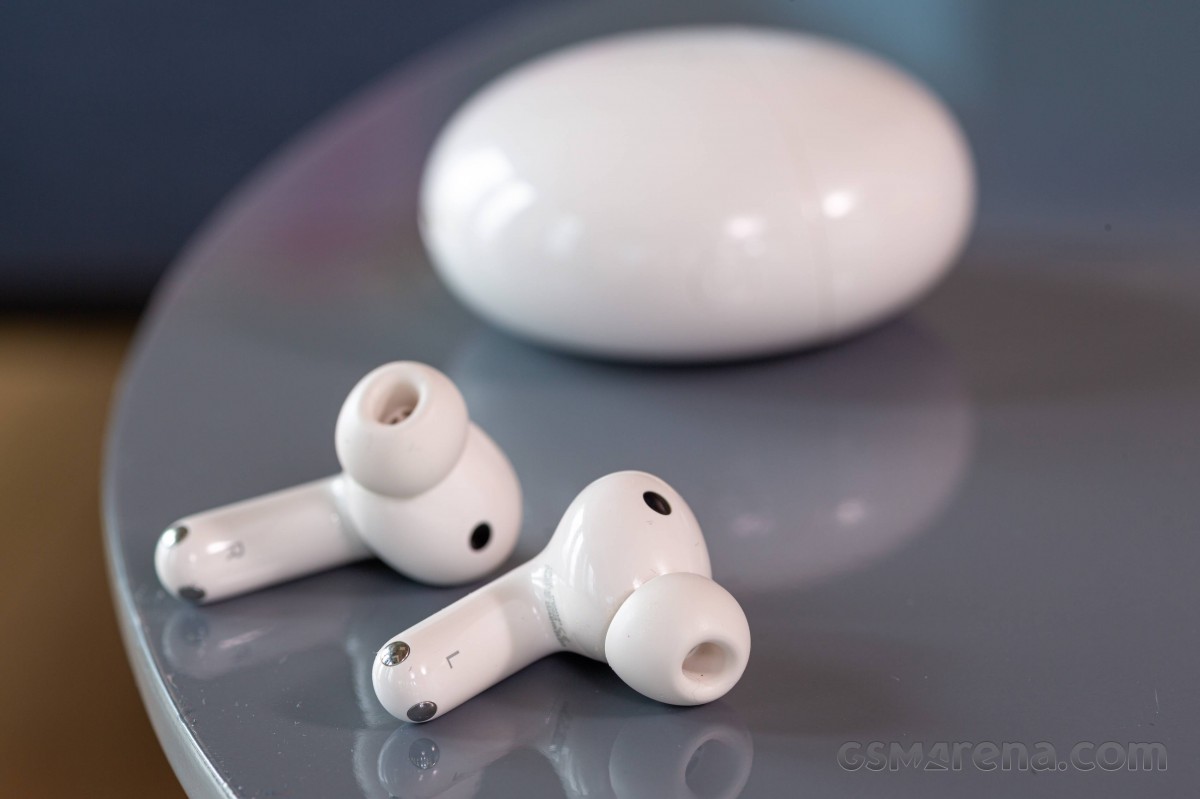
The buds themselves are basically identical to last year’s model. They feature a traditional in-ear design with silicone ear tips and a short touch-sensitive stem, which also houses the microphones.
We have the white pair for review, but you can also get them in pink or black. The buds and their case get a glossy finish, which is fine on the white color variant. We honestly prefer the black variant’s matte finish, which also adds some grip to the otherwise slippery design.
The in-ear fit is good as long as you have the right size ear tips for your ears. We managed to get by with the size M tips, which kept a snug fit even during gym workouts and runs. Comfort levels are good as the FreeBuds 7i remained in our ears for multiple hours at a time.
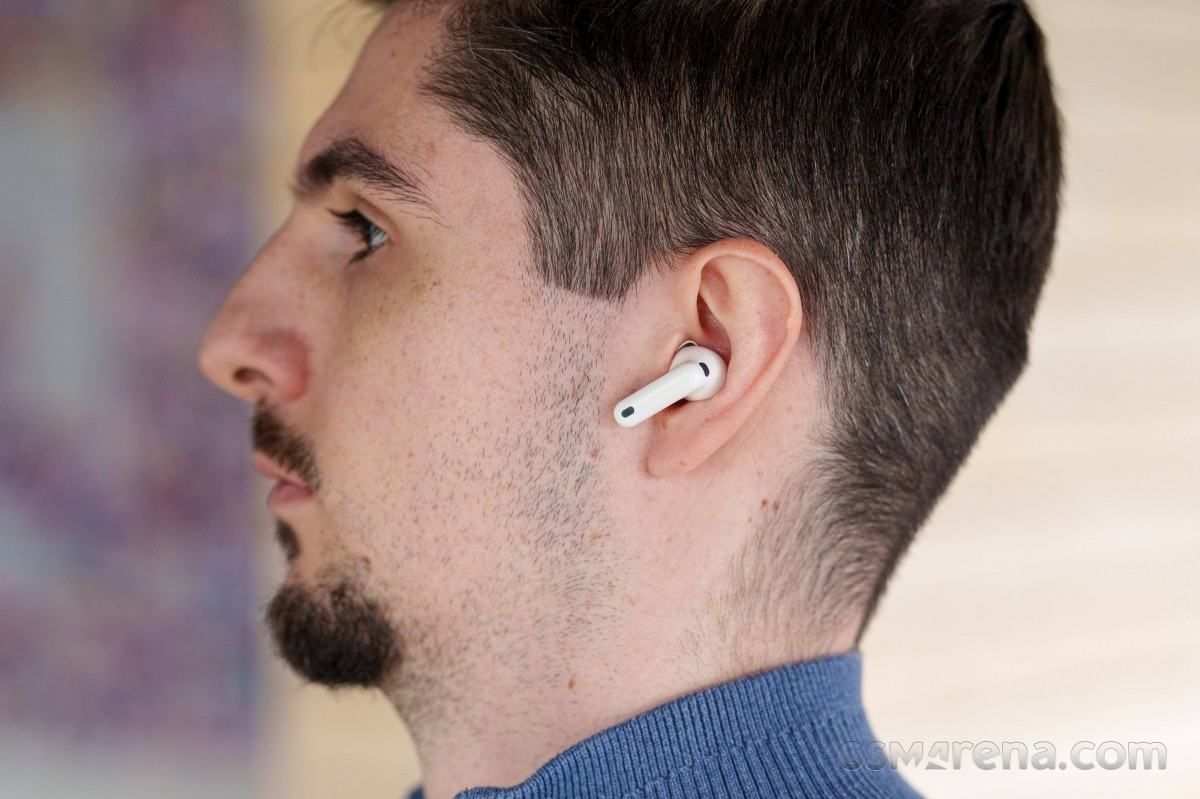
The FreeBuds 7i measure nearly identically to their predecessors, weighing 5.4 grams, while the case adds another 36.5 grams for a total of 47.3 grams combined. As we mentioned earlier, the new case is a bit narrower than the one on the FreeBuds 6i, which makes it easier to store in small pockets.
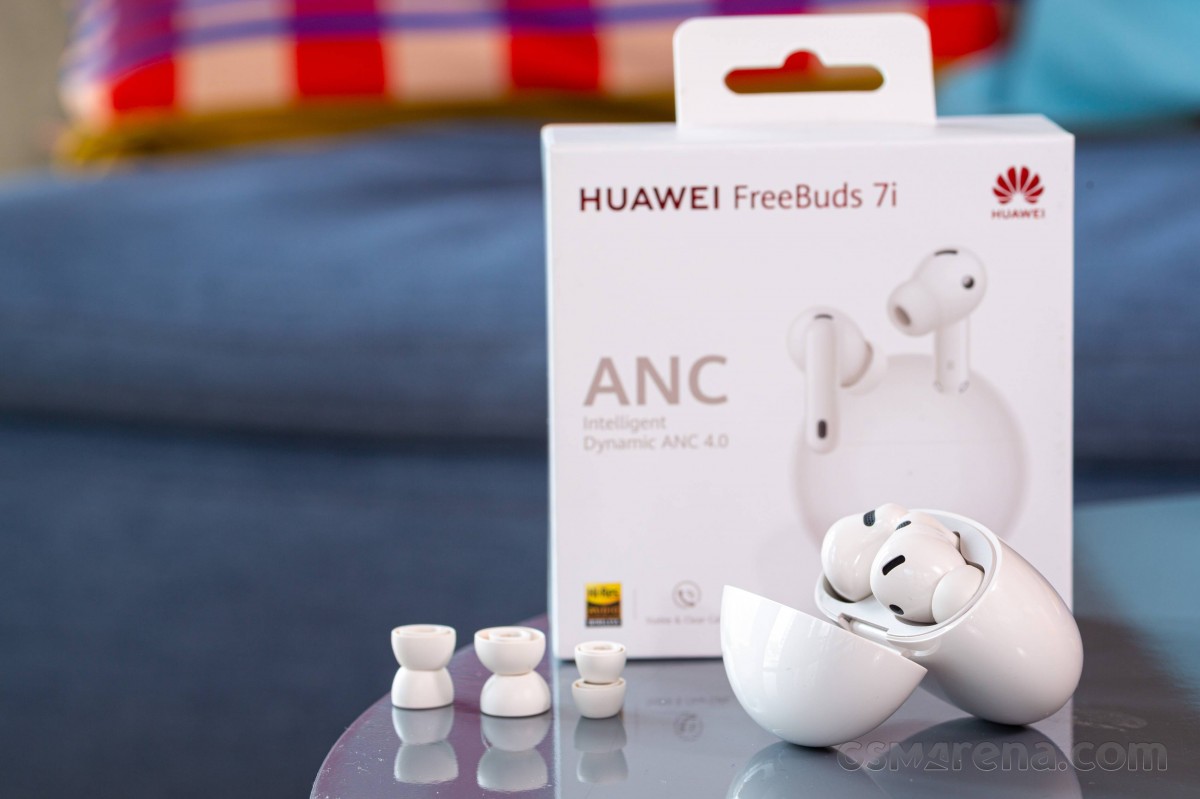
The retail package includes the buds, their case and a set of size L and S replacement silicone ear tips. The buds are IP54 rated against water and dust, which means they can handle rain, sweat and dust just fine.
Features
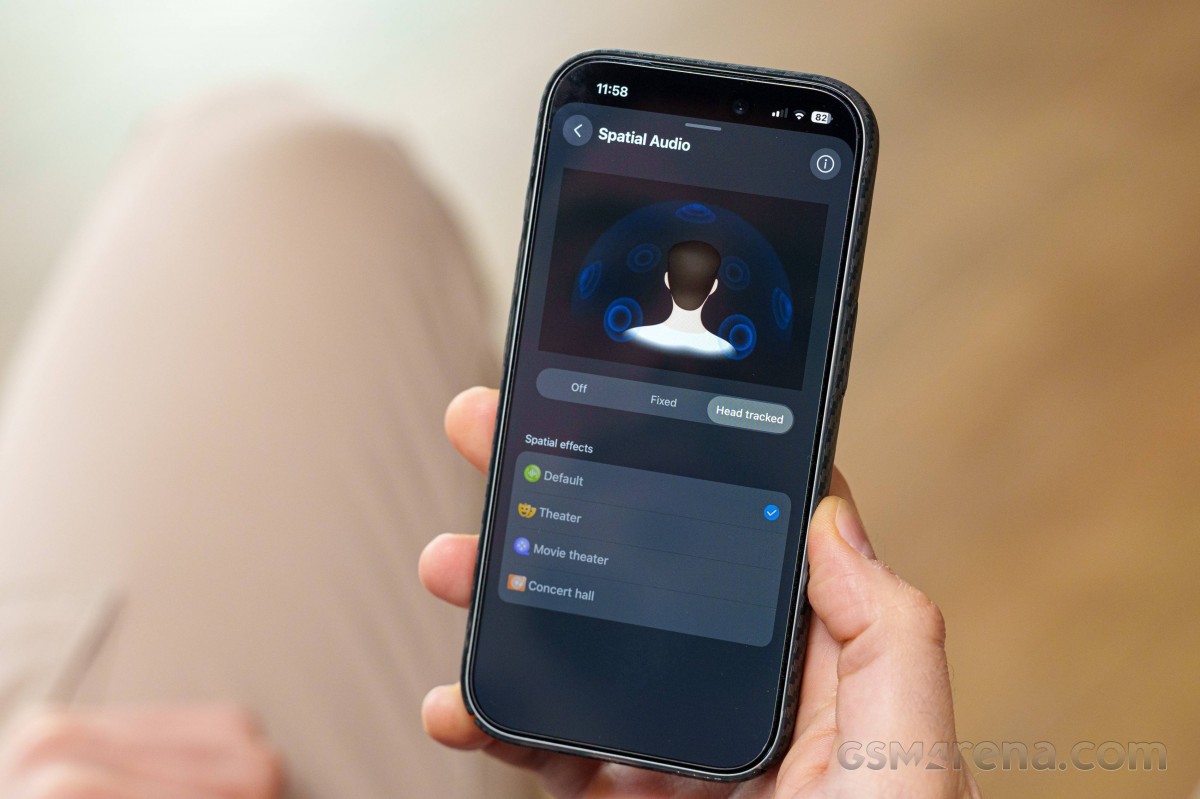
FreeBuds 7i feature Bluetooth 5.4 connectivity and support dual device pairing. They also get spatial audio with head tracking, which works across all devices, so you can enjoy more immersive content consumption. There are four distinct profiles here, ranging from default to theater, concert hall and movie theater. The latter three tend to recreate their associated venues quite effectively, which is impressive.
FreeBuds 7i bring Huawei’s Dynamic ANC 4.0, which the maker claims can achieve up to 28dB noise cancellation while offering 50% less noise cancellation latency compared to the FreeBuds 6i. That’s paired with an 8 mm² air vent and 3x microphones on each earbud.
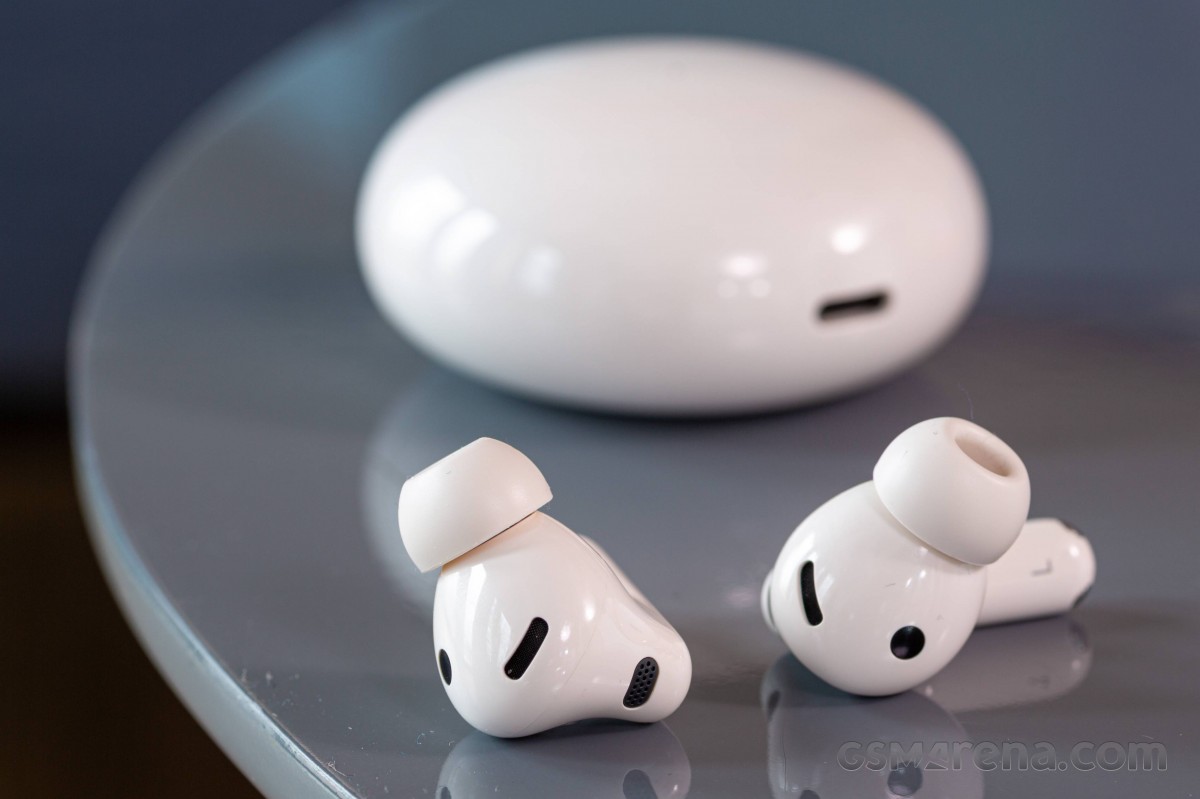
That’s not all as Huawei also added a new bone conduction microphone on each earbud, which claims to offer improved call quality with better voice pickup than the previous generation buds. The buds also bring wear detection sensors, which automatically pause and resume playback when you remove and re-insert the buds in your ears.
FreeBuds 7i feature the same touch gesture controls as their predecessors. These include touch and hold, double tap and triple tap options as well as swipes for volume adjustment. These are programmable inside the Huawei AI Life app and you can freely customize them to your liking.
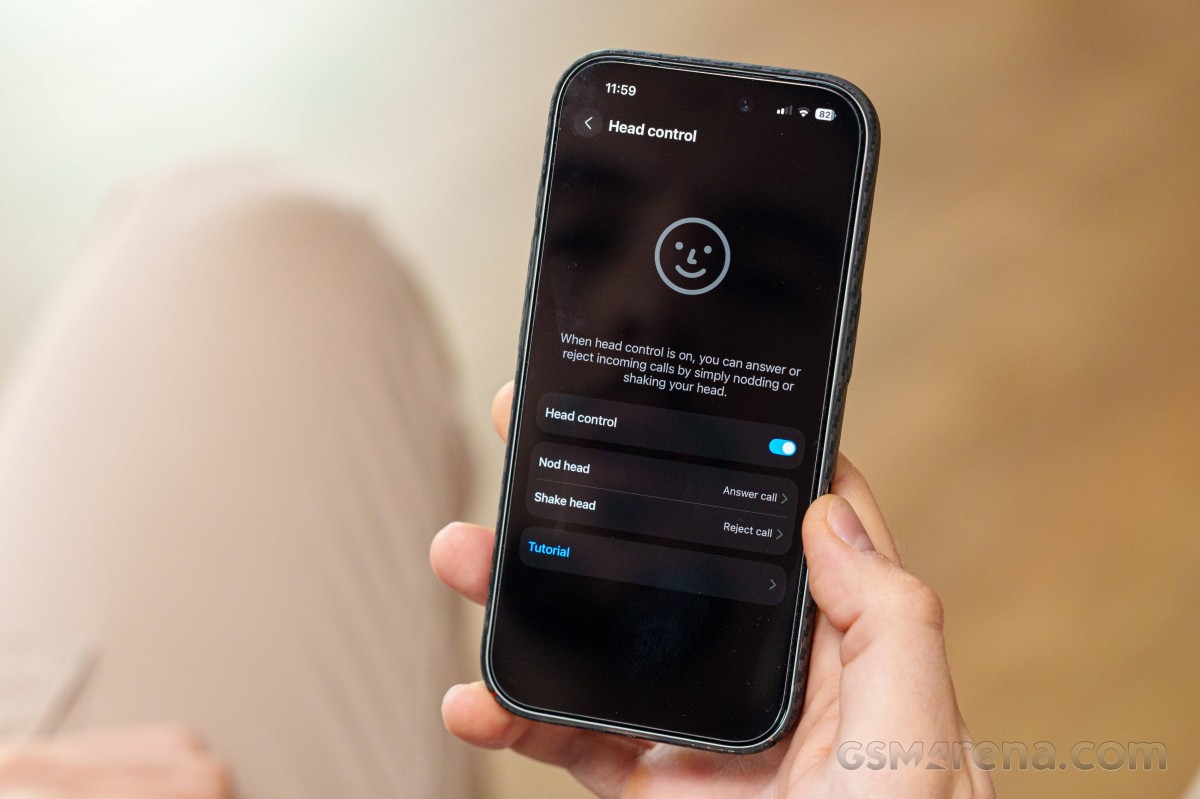
On the gimmickier side, FreeBuds 7i also bring head controls which allow you to answer or reject incoming calls by nodding or shaking your head.
Sound quality
The 11 mm quad-magnet dynamic drivers inside the FreeBuds 7i are carried over from their predecessors and deliver a generally pleasing sound stage out of the box with the balanced default profile. We found the bass underpowered, which could be viewed as an advantage, as most other earbuds tend to emphasize lows.
You’ll find five additional EQ profiles inside the Huawei AI Life app, ranging from bass boost, treble boost, voices, symphony and Hi-Fi Live. If none of those are to your taste, you can also create a custom EQ profile via the 10-band slider.
With some simple tweaks, lows and highs can be calibrated to a pleasing overall sound stage. We enjoyed our time using the FreeBuds 7i and found them to be a great pair of buds for general media consumption.
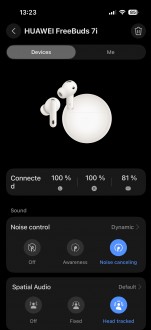
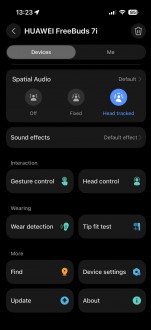
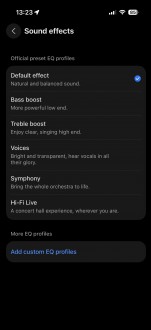
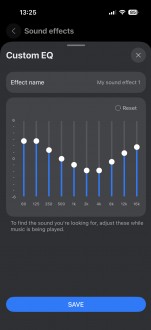
Huawei AI Life app interface, EQ profiles and Custom EQ
FreeBuds 7i bring support for the SBC, AAC, and LDAC codecs. Newer Huawei devices also get L2HC support for “near-lossless” streaming at up to 960 kbps bitrate.
Noise cancellation delivered good results in the lower-end frequencies, managing to cancel out HVAC systems and other low-pitched noises. There are four modes here with Dynamic, Cozy, General and Ultra, but we did not find any meaningful difference between them.
Transparency mode feels a step above most earbuds in the segment and does a great job at isolating voices though you still get the annoying hissing sound that’s found on most wireless buds.
Call quality is good as long as you are indoors. Too much commotion and stronger winds prove to be a hassle for the mics on the FreeBuds 7i, but that’s to be expected from earbuds in the sub-€100 range.
We had no issue in terms of connectivity, with zero drops or irregularities in our time testing the FreeBuds 7i across Android, iOS, Windows and macOS devices.
Battery life
FreeBuds 7i feature 55 mAh batteries inside each earbud alongside a 510 mAh cell inside the charging case just like on the FreeBuds 6i. Huawei claims you should expect 8 hours of playback from the buds on a single charge with ANC off and about 5 hours with ANC on. Those numbers extend to 35 hours and 20 hours, respectively, with the charging case.
During our tests, we achieved 7 hours and 40 minutes on a single charge from the buds with ANC off and 4 hours and 20 minutes with ANC on. The case was good for 4 full recharges.
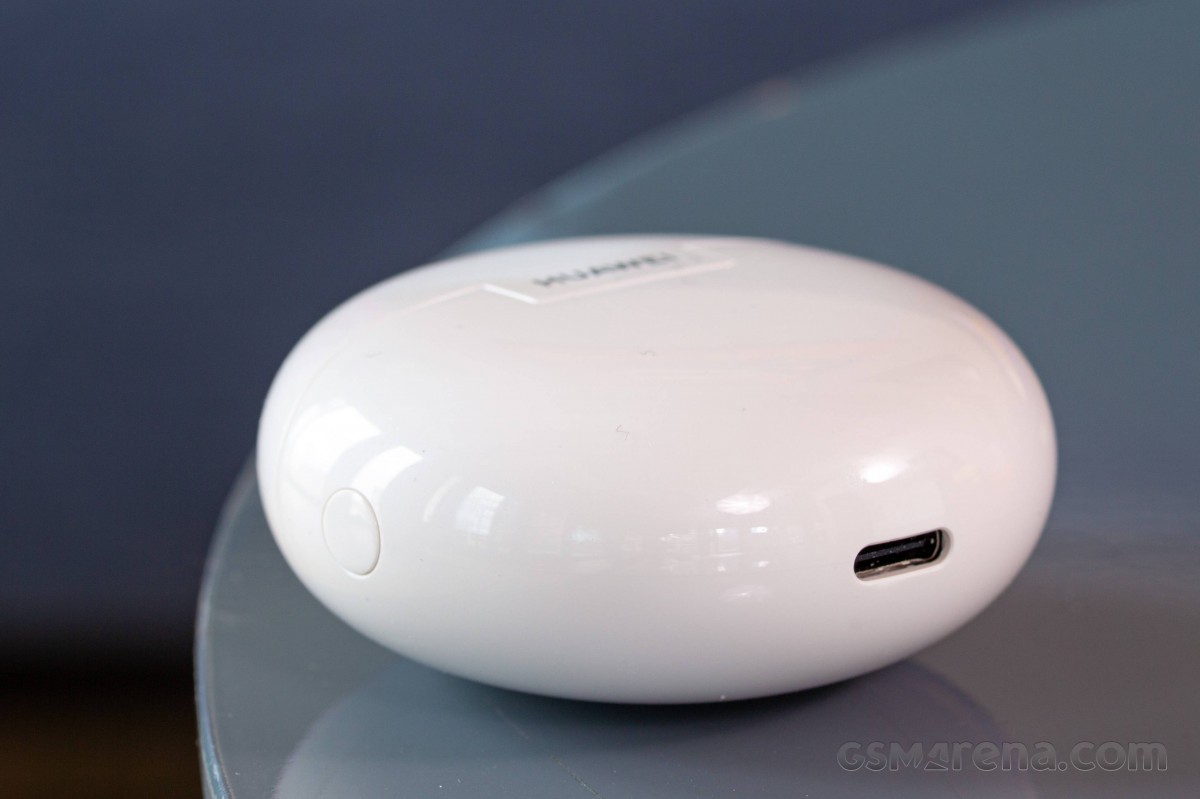
When you do need to top up, you can do so via the USB-C port on the bottom of the case. The buds will go from 0 to 100% charge in about 40 minutes, while the case will take an additional 60 minutes to top up.
Verdict
The FreeBuds 7i are Huawei’s affordable TWS option and they deliver pleasing sound without prioritizing bass like most buds in the segment. You get a sleek design with a fairly compact charging case, a great fit and all of the standard array of features you’d expect in a pair of 2025 wireless earbuds for under €100/£100.
Strong points include the balanced default sound tuning, potent ANC and the bevy of sound and feature customization options inside the Huawei AI Life app. We would have liked to see better microphone quality and support for LDAC streaming.
If you’re in the market for a new pair of TWS buds, but don’t want to shell out flagship earbud money, then the FreeBuds 7i are a worthy consideration.
We may get a commission from qualifying sales.